In today’s competitive freight and logistics environment, warehousing is far more than simply storing goods. For companies like On Time Logistics (OTL), an efficient warehousing operation can be the difference between meeting delivery windows or falling short. What Is Warehousing in Logistics? Warehousing refers to the systematic storage and management of physical goods in a …

In today’s competitive freight and logistics environment, warehousing is far more than simply storing goods. For companies like On Time Logistics (OTL), an efficient warehousing operation can be the difference between meeting delivery windows or falling short.
What Is Warehousing in Logistics?
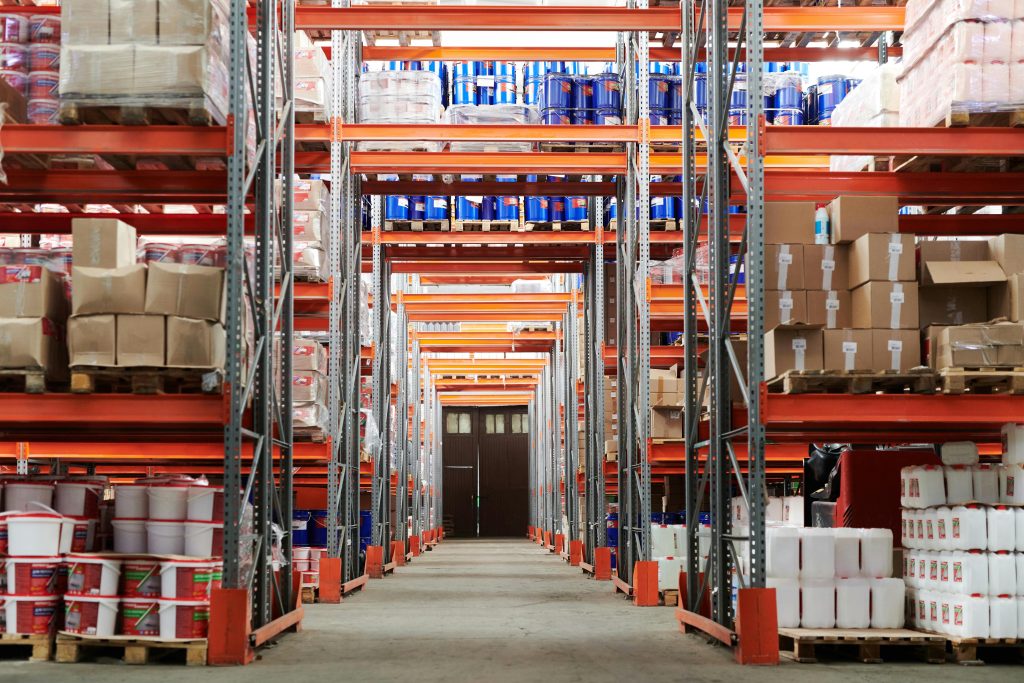
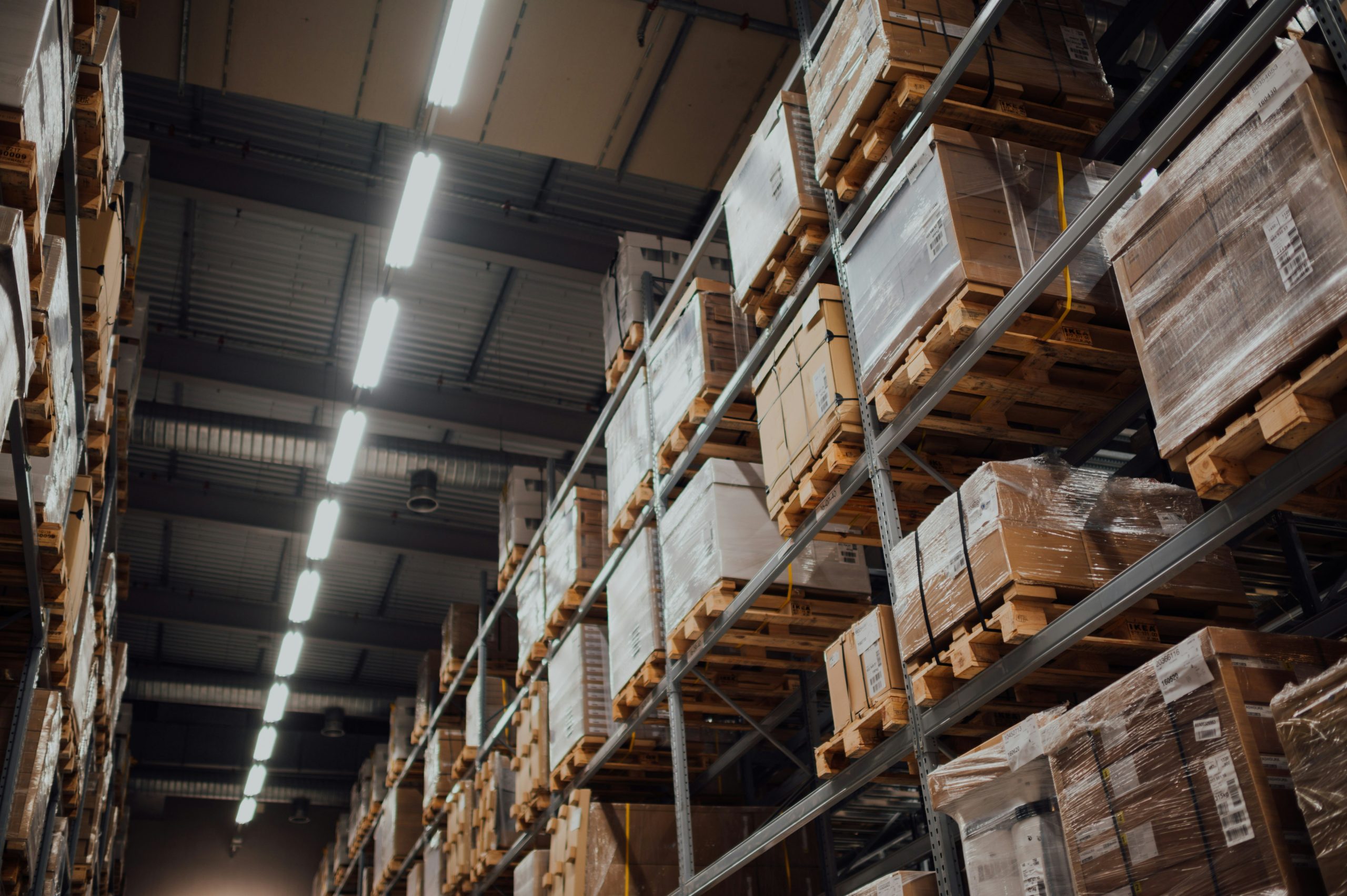
Warehousing refers to the systematic storage and management of physical goods in a dedicated facility before they’re distributed or delivered to customers. These facilities function as critical nodes within a supply chain: receiving products, organizing inventory, preparing orders, and dispatching goods to their next stop.
In the context of logistics operations, warehousing also involves coordinating inbound and outbound freight, managing storage costs, and ensuring products are readily available when needed while balancing efficiency, accuracy, and speed.
Why Warehousing Matters for OTL’s Customers
Warehousing plays several strategic roles in logistics, including:
1. Inventory Balance & Demand Management
Maintaining the right stock levels helps prevent both shortages and excess inventory. This inventory “buffer” is crucial, especially when demand fluctuates or transportation schedules shift.
2. Improved Order Fulfillment Speed
With products stored strategically in a warehouse, order picking and outbound delivery timelines shorten which directly improves customer satisfaction and reliability.
3. Cost Optimization
By reducing frequent rush shipments and consolidating inventory flows, warehouses help cut expensive transportation costs and labor inefficiencies.
4. Enhanced Security & Risk Mitigation
Modern warehouses safeguard products through controlled access, environmental monitoring, and safety protocols which helps minimize loss due to theft, spoilage, or damage.
Core Warehouse Functions (Operational Backbone)
A well-run warehouse integrates several key activities that support seamless logistics operations. These are essential regardless of industry or shipment size:
Receiving
Goods arriving from suppliers are checked, unloaded, inspected for accuracy, and entered into inventory tracking systems.
Storage & Putaway
Items are stored systematically to maximize space utilization, based on demand frequency or product type.
Inventory Management
Real-time tracking ensures visibility into stock levels, reducing the risk of overstocking or stockouts.
Picking & Packing
Orders are retrieved from storage and packed efficiently for transit which is a critical step that directly affects delivery timelines and accuracy.
Shipping & Distribution
Finished orders leave the warehouse on optimized routes and schedules to meet delivery requirements.
Together, these functions keep supply chains responsive and fluid, especially for logistics providers handling high volume or multi-mode transit.
Warehouse Management & Technology (WMS Advantage)
Modern warehousing relies heavily on technology — especially Warehouse Management Systems (WMS). These tools provide:
- Real-time inventory visibility
- Order accuracy tracking
- Optimized picking and storage plans
- Seamless integration with transportation and enterprise systems (ERP/CRM)
This kind of digital backbone allows logistics providers to make informed decisions, reduce errors, and enhance operational agility.
Best Practices for Efficient Warehousing
To maximize value, logistics warehouses, including those supporting OTL operations, should adopt industry proven practices:
Optimize Warehouse Layout
Design storage and picking zones for minimal walking distance and streamlined workflows.
Use Data & Analytics
Leverage data to plan inventory levels, anticipate peak demand, and schedule labor efficiently.
Invest in Training
Sophisticated tech is only as good as the people using it. Ongoing training increases adoption and reduces operational errors.
Adopt Automation Where It Makes Sense
From barcode scanning to robotic assistance, targeted automation can boost accuracy and speed without disrupting labor balance.
Facing Warehousing Challenges Head-On
The most common warehousing hurdles include:
- Space constraints
- Seasonal demand shifts
- Labor shortages
- Inventory discrepancies
- Technology adoption barriers
Addressing these challenges often requires cross-functional planning, flexible layouts, dynamic staffing strategies, and continual investments in systems and training.
The Future of Warehousing in Logistics
Looking ahead, warehousing will continue evolving with trends like:
- Advanced automation and robotics
- AI-driven predictive analytics
- Internet of Things (IoT) for real-time operational visibility
- Eco-friendly and sustainable warehousing practices
These advancements further streamline warehouse operations and enhance responsiveness within logistics networks.
Conclusion
For On Time Logistics, warehousing is the central engine that drives efficiency, accuracy, and customer trust throughout the supply chain. By continuing to embrace modern practices, technology, and strategic planning, OTL ensures its warehousing services remain a competitive advantage in the fast changing logistics landscape